
Choosing the Right Singapore Neighbourhood for Your Next Life Chapter
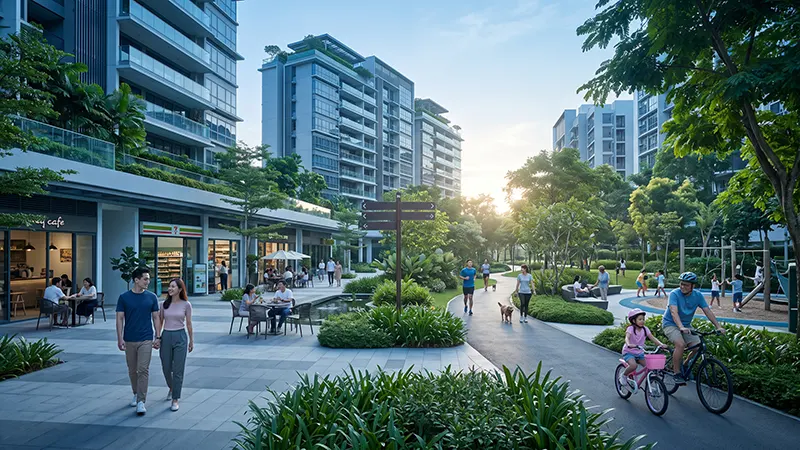
Finding the right home in Singapore involves more than selecting a property with an appealing layout or a price that fits the household budget. The surrounding neighbourhood can influence daily routines, social connections, access to essential services, and the overall experience of living in a particular area. For homebuyers, choosing where to live is therefore just as important as deciding which property to purchase.
Singapore offers a diverse range of residential environments, from established neighbourhoods with long-standing community facilities to newer residential areas shaped by ongoing urban development. Each location presents a different combination of convenience, atmosphere, accessibility, and lifestyle opportunities. Understanding these differences can help buyers identify a neighbourhood that supports their current priorities while remaining suitable for future needs.
Start With Your Everyday Lifestyle
Before comparing neighbourhoods, buyers should identify what a typical week looks like. The most suitable location depends largely on how residents spend their time, where they travel regularly, and which amenities they use most often.
For professionals who commute frequently, reliable public transport and convenient access to major employment areas may be important. Families with children may place greater emphasis on childcare services, schools, healthcare facilities, and safe pedestrian routes. Retirees or people who prefer a quieter routine may value nearby parks, accessible shops, and opportunities for relaxed outdoor activities.
Buyers should distinguish between amenities they use regularly and those they might visit only occasionally. Living close to a popular shopping destination can sound attractive, but convenient access to a supermarket, pharmacy, or everyday … READ MORE ...

How Singapore’s Neighbourhoods Influence Modern Residential Living
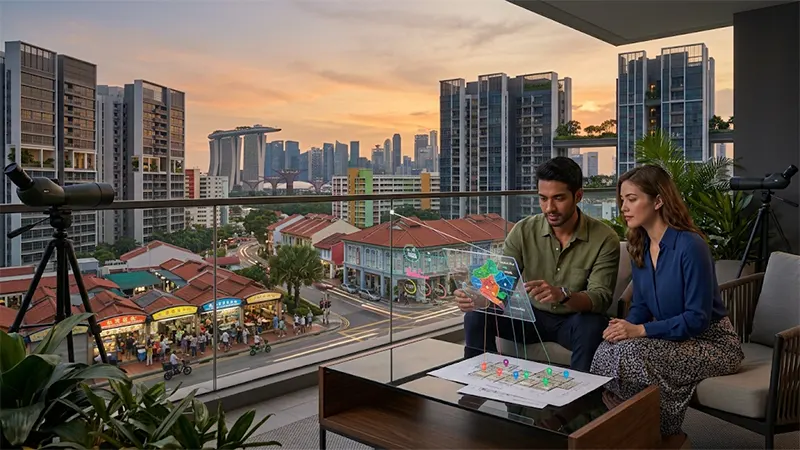
When people search for a new home in Singapore, the property itself often receives most of the attention. Buyers compare floor plans, facilities, layouts, prices and architectural designs before making a decision. Yet one of the most important parts of the home-buying process exists outside the development’s boundaries: the neighbourhood.
A residential address can influence how people commute, shop, spend their weekends, access schools and enjoy leisure time. For this reason, understanding the character of a neighbourhood is an important part of researching Singapore real estate.
Singapore’s urban environment is particularly interesting because residential communities are often closely connected to public transport, commercial centres, parks, schools and other facilities. This creates opportunities for residents to organise many aspects of daily life within a relatively compact area.
What Makes a Neighbourhood Suitable for Residential Living?
There is no universal formula for choosing the right neighbourhood. Different households have different priorities.
A young professional may prefer quick access to business districts and restaurants, while a family may place greater importance on schools, supermarkets and parks. Retirees may prefer quieter surroundings with convenient access to healthcare and public transport.
The first step is therefore to understand personal requirements.
Instead of asking whether a neighbourhood is generally good, buyers can ask whether it is suitable for their own routine. This creates a much more useful way of comparing residential locations.
For example, someone who travels by MRT every day should investigate railway connections and walking routes. A household with young children may need to … READ MORE ...

What Makes a Residential Location Practical for Everyday Living
Finding a suitable home in Singapore involves more than comparing property sizes and interior features. A residential development should also be considered in relation to the neighbourhood around it. Access to transportation, shopping, schools, healthcare, dining, recreation, and community facilities can all influence how convenient everyday life becomes. This broader perspective is particularly useful when exploring Dorset Gardens and Clovelle of Woodlands as part of Singapore’s residential property landscape.
Every household has its own priorities. A young professional may focus on commuting and access to central business areas, while a family may pay greater attention to schools, childcare, supermarkets, and parks. Some buyers may prefer a lively urban environment, whereas others may appreciate the established infrastructure and residential character of a suburban town. Understanding personal requirements is therefore an important starting point for property research.
Looking Beyond the Property
A new home naturally attracts attention because of its architecture, floor plan, facilities, and available unit types. These features can affect comfort, but they are only one part of the residential experience.
Daily life takes place both inside and outside the home. Residents may leave early for work, take children to school, buy groceries after returning home, meet friends for dinner, or spend weekends visiting parks and shopping centres.
For this reason, the neighbourhood can become almost an extension of the home.
Dorset Gardens is associated with the Farrer Park area, placing it within a central city-fringe environment. Clovelle of Woodlands is planned in Woodlands, an established northern town supported by … READ MORE ...

How to Compare Singapore Condominiums When Every Property Looks Attractive
Comparing condominiums in Singapore can become difficult when every development appears to offer something appealing.
One property may have a striking interior. Another may appear stronger because of its location. A third may provide a different apartment layout. Marketing materials can highlight different advantages, making it difficult to determine which property actually fits a buyer’s needs.
The solution is not to find the condominium with the longest list of features.
Instead, buyers can create a consistent comparison framework and evaluate every shortlisted property using the same questions.
This approach makes property research more objective and can prevent one impressive feature from overshadowing several less obvious considerations.
Start With the Reason for Buying
Before comparing properties, establish the purpose of the purchase.
An owner-occupier may prioritise comfort, convenience and long-term suitability.
An investor may be more concerned with rental demand, operating costs and potential tenant appeal.
A buyer purchasing for a future family may place greater emphasis on space and flexibility.
These objectives can produce very different conclusions.
There is no universally superior condominium.
The right property depends partly on what the purchase is intended to achieve.
Create a Shortlist Before Comparing Details
Looking at too many properties simultaneously can make the decision harder.
Start with a manageable shortlist.
The initial filtering process might consider:
- Budget
- Preferred location
- Property type
- Required space
- Intended ownership period
- Lifestyle requirements
- Financing capacity
Once unsuitable options have been removed, detailed comparison becomes more meaningful.
Separate “Must-Have” Features From Preferences
Not every property feature deserves equal … READ MORE ...

Why Property Maintenance Matters for Long-Term Value
Property maintenance is an important part of protecting a home’s condition, comfort, and long-term appeal. Even a well-designed residential development can lose some of its attractiveness when common facilities, landscaping, building systems, or private spaces are poorly maintained. For Singapore homeowners, regular upkeep is particularly relevant because the tropical climate can place pressure on building materials and outdoor areas. Understanding the role of maintenance can help buyers look beyond a property’s initial appearance and consider how its condition may develop over many years of ownership.
Good Maintenance Protects Building Quality
Regular maintenance helps identify minor problems before they become expensive repairs. Water seepage, damaged fittings, worn surfaces, faulty lighting, and drainage issues can worsen when they are ignored.
A proactive approach can extend the useful life of building components and reduce disruption for residents. This applies to both private units and shared facilities. Buyers should therefore consider whether a development appears properly cared for and whether management has systems in place for inspections, servicing, and repairs.
Common Areas Shape First Impressions
Residents and visitors interact with common areas frequently. Entrances, corridors, lifts, lobbies, swimming pools, gardens, parking areas, and recreational facilities all contribute to the perceived quality of a development.
Clean and well-maintained common spaces can create a more pleasant residential environment. By contrast, neglected landscaping, damaged finishes, or poorly serviced facilities may affect how residents experience the property. Developments such as The Serra Residences show why buyers can benefit from considering the quality of both private residences and shared … READ MORE ...